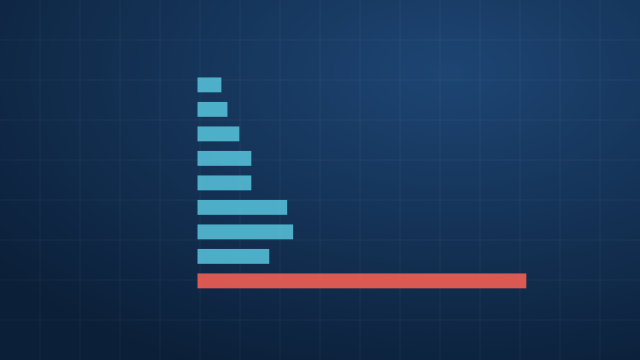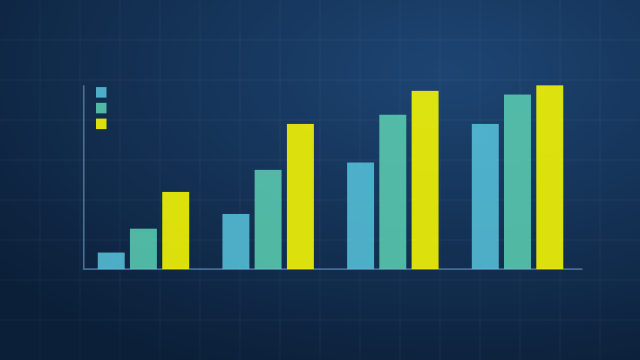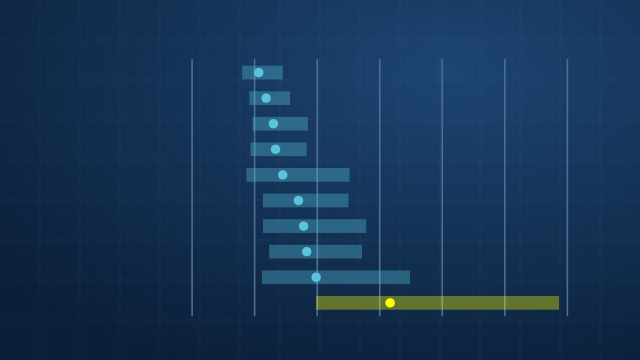
The CFA charter is not a job title. It is a signal, recognised in nearly every financial centre, that you can analyse investments and act ethically for clients. Employers in investment roles value that signal, so the charter opens doors; what you are then paid depends on which door you walk through, in which city, and how long you stay.
This guide covers the ten jobs charterholders most often hold, what each involves, how much the CFA curriculum matters in it, and the typical base salary in ten countries.
The pay table: median base salary by role and country
All figures are median base salaries from PayScale's job pages, converted to US dollars at European Central Bank rates of 16 November 2026 (UAE dirham at its 3.6725 peg). They are for the job, not only for charterholders, and they exclude bonuses, which in investment roles can add a large share on top. An asterisk marks a small sample (fewer than 15 people); a dash means no data.
| Role | US | UK | Germany | Switzerland | Canada | Australia | Singapore | Hong Kong | UAE | India |
|---|---|---|---|---|---|---|---|---|---|---|
| Credit analyst | 64k | 49k | 72k* | 119k* | 41k | 51k | 54k | 51k | 20k | 9k |
| Financial analyst | 71k | 46k | 61k | 107k | 46k | 56k | 46k | 40k | 26k | 6k |
| Risk analyst | 78k | 46k | 56k | 122k | 45k | 54k | 43k | 38k | 39k* | 7k |
| Investment analyst | 80k | 47k | 63k | 102k* | 49k | 63k | 47k | 65k | 28k | 8k |
| Private banker | 87k | 78k* | — | 182k* | 53k* | 83k | 118k | 125k* | 95k | 13k |
| Risk manager | 102k | 75k | 80k* | 140k | 64k | 98k | 76k | 73k | 27k | 15k |
| Portfolio manager | 107k | 90k | 87k* | 142k | 73k | 90k | 102k* | 86k* | 61k* | 14k |
| Quantitative analyst | 110k | 78k | 63k* | 130k* | 58k | 68k* | 46k* | 38k* | — | 14k |
| Investment manager | 119k | 88k | 104k* | 177k* | 67k | 96k | 91k | 87k | 68k* | 13k |
| Chief investment officer | 190k | 171k* | — | 238k* | 157k* | 172k | 205k* | 249k* | 131k* | 69k* |
In US dollars, thousands per year, base salary only. Compare down a column (which roles pay more in one country) rather than across a row: a salary that looks small in dollars can be high against local wages and living costs. The CFA salary by country guide explains why the countries differ so much.
Add the bonus: base plus a typical bonus
Base pay is only part of the package in investment roles. The table below adds the median bonus reported by people who receive one to the median base salary, in thousands of US dollars. It is a fairer picture of what a typical bonus-earning professional takes home before tax.
| Role | US | UK | Germany | Switzerland | Singapore | Hong Kong | UAE | India |
|---|---|---|---|---|---|---|---|---|
| Credit analyst | 67k | 58k | 77k* | 149k* | 63k | 64k | 33k* | 10k |
| Financial analyst | 76k | 49k | 67k | 119k | 50k | 44k | 29k | 7k |
| Risk analyst | 84k | 50k | 60k | 129k | 51k | 46k | 45k* | 8k |
| Investment analyst | 88k | 52k | 68k | 114k* | 55k | 78k | 33k | 9k |
| Private banker | 106k | 88k* | — | 206k* | 157k | 141k* | 106k | 13k |
| Risk manager | 112k | 81k | 87k* | 158k | 89k | 87k | 38k | 17k |
| Portfolio manager | 120k | 106k | 97k* | 166k | 135k* | 108k* | 83k* | 16k |
| Quantitative analyst | 123k | 85k | 66k* | 142k* | 57k* | 59k* | — | 18k |
| Investment manager | 135k | 102k | 172k* | 215k* | 107k | 100k | 76k* | 15k |
| Chief investment officer | 220k | 264k* | — | 298k* | 263k* | 314k* | 144k* | 90k* |
How big are bonuses?
In the US data, the typical bonus is about 5–10% of base for analysts, 10–15% for portfolio, risk and investment managers, and over 20% for private bankers, whose pay is tied to client assets. The spread is wide: the top 10% of bonuses reach about $35k for portfolio managers, $59k for investment managers and $120k for chief investment officers, and US equity research analysts report a median bonus of about $20k (a quarter of base) with a top decile near $100k.
Three things to know about bonuses:
- They follow performance, of the fund, the team and the firm, so they swing from year to year.
- Senior bonuses are often deferred, paid over several years in cash or fund units.
- Self-reported surveys understate the top, because the best-paid people rarely fill them in. At large asset managers and hedge funds, senior bonuses can exceed base salary.
India: pay has moved up fast
The India column above looks low in dollars, and for two reasons it understates what CFA charterholders earn there today:
- It counts everyone with the job title, most of them early in their careers and without the charter.
- Indian salaries have risen quickly. In CFA Institute's 2026 India study, average pay across charterholders, candidates and aspirants rose from ₹19.3 lakh in 2022 to ₹22.1 lakh in 2026, and 69% of respondents received raises of more than 20% in 2025.
A better picture of India, combining the job data with the charterholder study:
| Stage | Typical annual pay in India | Source |
|---|---|---|
| Early career analyst (0–3 years), often a Level I–II candidate | ₹6–15 lakh base; top 10% of analysts ₹15–23 lakh | PayScale job medians and 90th percentiles |
| Specialist and manager roles (risk manager, portfolio manager, quant) | ₹13–15 lakh median base; top 10% ₹27–35 lakh | PayScale |
| Recent charterholders (about 6 years' experience) | about ₹32 lakh on average | CFA Institute India study 2026 |
| Experienced charterholders (8+ years) | over ₹40 lakh for more than 70% | CFA Institute India study 2026 |
| All charterholders (about 10 years' experience on average) | about ₹67 lakh on average | CFA Institute India study 2026 |
| Chief investment officers | about ₹65 lakh median base, ₹80 lakh with bonus (small sample) | PayScale |
The pattern is clear: Indian pay starts low in dollar terms but rises steeply with the charter and experience, and senior investment professionals at large fund houses and insurers earn well above these averages, usually with performance bonuses on top.
China and other fast-growing markets
China. Data for China is thin and pay is concentrated at the top. Entry-level analysts report base pay around ¥170,000–220,000 (small samples). Established fund managers at large firms have earned around ¥1 million a year, with ¥3–4 million including bonuses for well-performing managers during the 2019–21 boom and far more for star managers, according to industry reporting. Since 2024, large financial firms have reportedly capped annual pay at around ¥2.9–3 million, and regulators are pushing fund managers' pay towards long-term fund performance, with deferral.
The Gulf. In the UAE, Saudi Arabia and Qatar, base salaries understate packages: housing, schooling and transport allowances and the absence of personal income tax can add a large share on top. Sovereign wealth funds and family offices are major employers of charterholders.
Southeast Asia, Africa, South Asia and Latin America. Dollar figures are lower, but investment industries are growing fast and charterholders are still rare, which is when the charter is most valuable. Compare pay with local wages and living costs, not with New York.
The ten jobs, one by one
1. Credit analyst
Decides whether a borrower (a company, a bank, a government) will pay its debts, and on what terms. Works at banks, rating agencies, bond funds and private-credit funds. The CFA's financial statement analysis, fixed income and corporate issuers topics are the daily toolkit. A common entry point, especially in banking. US median about $64k, with the middle 80% between $48k and $87k.
2. Financial analyst
The broadest title: budgeting, forecasting and performance analysis inside companies (FP&A), as well as analyst roles in banks. The CFA helps most when you want to move from corporate finance into investment work; for staying in a company's finance team, an accounting qualification is often the stronger signal. US median about $71k.
3. Risk analyst
Measures how much the firm or a portfolio could lose: market risk, credit risk, liquidity and model risk. Strong quantitative and derivatives skills matter, and the FRM is common alongside or instead of the CFA. US median about $78k; risk analysts usually move up to risk manager.
4. Investment analyst and equity research analyst
The classic CFA job. On the buy side (asset managers, pension funds, insurers, hedge funds) you research companies or bonds and recommend what the portfolio should hold. On the sell side (brokers and investment banks), equity research analysts publish reports and ratings for clients. Valuation, financial statements, equities and ethics are used every day, and many employers list the CFA as preferred. US median about $80k for investment analysts; US equity research analysts report a similar median of about $78k, with a much wider top end.
5. Private banker and wealth manager
Advises wealthy individuals and families on their whole financial picture: portfolios, tax, estates and borrowing. Client relationships matter as much as analysis, and pay often includes a significant bonus linked to assets brought in. The CFA's private wealth pathway at Level III maps directly onto this job. Pay is highest in the big wealth centres: Switzerland, Singapore, Hong Kong and the UAE.
6. Risk manager
Runs a risk team or owns the risk framework for a fund or bank, and reports to senior management and regulators. US median about $102k, with Switzerland and Australia also high.
7. Portfolio manager
Makes the final investment decisions for a fund or a set of client portfolios, within a mandate and a risk budget, and is measured on performance. This is the job the CFA was originally designed for: Level III is built around it. Usually reached after five to ten years as an analyst. US median about $107k base, with bonuses that can exceed the base at good performance.
8. Quantitative analyst
Builds the models: factor strategies, risk models, pricing, portfolio optimisation and, increasingly, machine-learning signals. Programming (Python, SQL) and statistics are the core skills; the CFA adds the investment context that many pure quants lack. US median about $110k, among the highest early-career pay in the industry.
9. Investment manager and investment director
A senior role that combines portfolio management with team leadership, client or committee reporting and product decisions. US median about $119k, Switzerland about $177k.
10. Chief investment officer (CIO)
Sets the investment strategy for a whole firm, pension fund, endowment, insurer or family office, and is accountable for the results. Usually 15 years or more into a career. US median about $190k base; total pay is often far higher.
Other roles where the CFA helps
- Investment consultant: advises pension funds and endowments on strategy and manager selection.
- Investor relations: explains a company to analysts and investors; needs to speak their language.
- Corporate development and M&A: valuation skills transfer directly.
- Index and product management: designing indexes, ETFs and funds (a strong fit for the fixed income and portfolio topics).
- Financial regulation and central banking: supervisors use the same analysis to judge risks in markets.
- Fintech and data roles: product and data teams at platforms, data vendors and robo-advisers value people who understand both investments and data.
How the career usually progresses
Most charterholders follow a version of the same path:
- Years 0–3: analyst. Credit, investment, risk or financial analyst. You pass Level I, often Level II, while working.
- Years 3–8: senior analyst or associate portfolio manager. You finish Level III and complete the 4,000 hours of relevant experience required for the charter.
- Years 8–15: portfolio manager, risk manager or private banker. Pay now depends mostly on performance and the assets you manage.
- Years 15+: head of a team, investment director or CIO.
Can you get a job with only Level I or Level II?
Yes, but the level is rarely the reason you are hired. Passing Level I shows commitment and gives you the vocabulary for interviews; it helps most for entry roles such as analyst, research associate, fund accounting or operations at an asset manager. Employers still hire on skills, internships and how well you can talk about markets. Use the levels to get into an investment firm, then move toward the role you want.
How to choose your direction
Ask which decisions you want to make every day:
- Is this company or bond a good investment? Investment or credit analyst, then portfolio manager.
- How much could we lose, and how do we control it? Risk analyst, then risk manager.
- What should this family do with its money? Private banking and wealth management.
- Can a model find what humans miss? Quantitative analyst.
Then pick the CFA Level III pathway that matches: portfolio management, private markets or private wealth.
Questions people ask
What jobs can you get with a CFA?
Investment analyst, equity research analyst, credit analyst, risk analyst and risk manager, portfolio manager, private banker or wealth manager, quantitative analyst, investment consultant, investment director and chief investment officer, among others. The charter carries most weight in asset management, research and wealth management.
Which CFA job pays the most?
Chief investment officer and senior portfolio management roles pay most, especially in the US, Switzerland, Singapore and Hong Kong. Among earlier-career roles, quantitative analysts and risk managers earn some of the highest base salaries.
What is the salary of a CFA charterholder?
It depends on the role and the country more than on the charter. In the US, typical median base salaries run from about $64k for credit analysts to about $107k for portfolio managers and about $190k for chief investment officers.
What is the salary of a CFA in India?
In CFA Institute's 2026 India study, recent charterholders (about six years' experience) averaged about ₹32 lakh a year and all charterholders about ₹67 lakh; more than 70% of those with eight or more years' experience earned over ₹40 lakh. Early-career analysts typically earn ₹6–15 lakh.
Is the CFA useful for investment banking?
It helps with valuation and credibility, but investment banking hires on internships, networks and deal experience, and many bankers never take the exams. The CFA is a stronger fit for asset management, research and wealth roles.
Can freshers get a job after CFA Level 1?
Yes, typically in analyst, research support, fund operations or risk support roles. Combine Level I with internships, Excel and Python skills, and a clear story about why you want investment work.
Sources
- PayScale job salary pages (median, 10th and 90th percentile base salary, retrieved 16 November 2026), for example: Portfolio manager, US, Investment analyst, US, Credit analyst, US, Risk manager, US, Quantitative analyst, US, Private banker, US, Chief investment officer, US, Equity research analyst, US. The same pages exist for the UK, Germany, Switzerland, Canada, Australia, Singapore, Hong Kong, UAE and India.
- CFA Institute: Impact study on compensation and career, India 2026
- 36Kr: fee reform and fund manager pay in China, August 2025
- Caproasia: CSRC guidance on fund manager pay, December 2025
- European Central Bank reference rates via Frankfurter, 16 November 2026
- CFA Institute: CFA Program overview