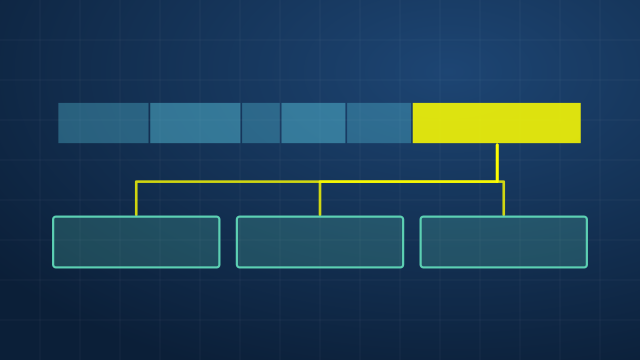
At Level II every question belongs to a case study (a vignette) with four questions. You have about 12 minutes per set. The skill is not reading faster; it is reading with a purpose.
The routine
- Questions first. Skim the four questions (stems only, not the options). Now you know which numbers and facts matter.
- Read the vignette once, with purpose. Mark the inputs the questions need: the growth rate, the tax rate, the date of the change in policy. Expect distractors: data that is true but irrelevant.
- Answer in order, but not at any cost. If a question needs a long calculation, do the quick ones in the set first.
- Check the clock at each set. After 11 sets you should be at about 2 hours 12 minutes. If a set has taken 18 minutes, the next one gets 9.
Why one mistake costs more
The questions in a set are linked. Misread one assumption ("the analyst uses the average tax rate") and the error can carry through all four answers. Reread the sentence that defines any input before you use it in a calculation.
What to study differently from Level I
- Revisit Level I foundations. Level II valuation assumes Level I accounting and fixed income. If inventories or deferred taxes are hazy, fix them first.
- Learn models end to end. For example: from forecasting free cash flow, to choosing the discount rate, to the terminal value. Questions will test any link in that chain.
- Practise with vignettes, not single questions, from the practice block onwards.
- Do not skip a topic. Weights are 5–15% each, and one set can be a full 12 minutes of a single topic.
The timing in numbers
Level II gives you 4 hours 24 minutes for 88 questions: exactly 3 minutes per question, or 12 minutes per item set. A practical rule: if a set has taken 15 minutes and you still have a question left, make your best choice, flag it and move on. Twelve minutes lost on one set costs four easier questions elsewhere.
Which topics dominate
The heaviest Level II topics (each 10–15%) are financial statement analysis, equity valuation, fixed income, portfolio management and ethics. Financial statements and equity are also the most connected: an accounting adjustment changes the cash flows you value. Study them close together.
A practice plan
- Weeks 1–14: learn each topic, with end-of-chapter questions the same week.
- From week 8: one full item set a day on topics already covered.
- Weeks 15–20: mixed item sets under time, three or four a session.
- Last six weeks: full mocks, with careful review of every set you lost more than one question on.
Questions people ask
What is a Level II item set?
A short case study, usually one to two pages, followed by four multiple-choice questions on it. The exam is built entirely from these sets, so reading efficiently is as important as knowing the material.
Should I read the questions before the vignette?
Many candidates do. Knowing what is asked tells you which numbers and facts to mark as you read, and stops you re-reading the case for every question.
Why do people find Level II the hardest?
The material is deeper, especially valuation and financial reporting, and each case can mix several ideas. Pass rates are similar to the other levels, but most candidates say it took them the most hours.
How should I practise for Level II?
Practise whole item sets under time, not single questions. Aim for about 12 minutes a set (264 minutes for 22 sets), and review why each wrong option was tempting.