After months of study, the wait for a result feels long. Knowing exactly what you will receive, and what it means, makes it easier.
When results arrive
CFA Institute emails candidates five to nine weeks after the close of the exam window, not after your individual exam day. Candidates who sat early in a window wait a little longer than those who sat at the end. The exact release date for each window is published on the results page.
One thing can hold your result back: you must complete a Practical Skills Module for that level. If it is not finished, your result is not released, however well you did.
What the result looks like
You receive:
- Pass or fail, the only thing that formally matters;
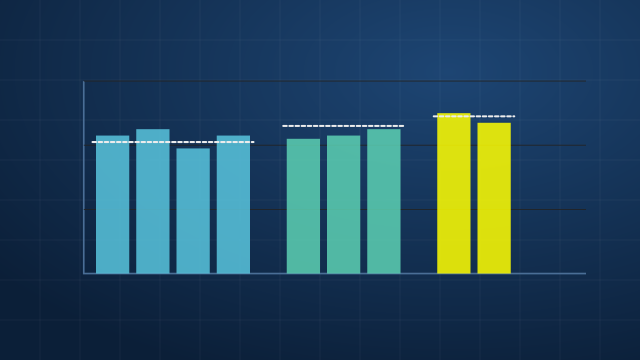
- a score report for Levels I and II (and for Level III only if you did not pass), showing your performance by topic area and an overall scaled score compared with the minimum passing score.
At Level III a pass comes on its own, with no score breakdown.
The minimum passing score
The minimum passing score, often written MPS, is the level of performance needed to pass. It is not published as a percentage. CFA Institute's Board of Governors sets it after the exam, using a standard-setting process that looks at how a just-qualified candidate should perform, especially when the curriculum or candidate group changes.
That is why forum guesses such as "you need 70%" are only rules of thumb. Prep providers often suggest aiming for 70% or more on full mock exams to give yourself a margin, not because 70% is the official line.
Reading a failed score report
The topic bars are the most useful part:
- Topics well below the line are where to spend your next attempt, especially if they carry heavy weights.
- Ethics deserves special attention at every level; it is weighted and the questions are very sensitive to reading.
- Your overall position against the MPS tells you whether you need a full restart or a sharper second pass.
After a pass
Celebrate, then register early for the next level to save on fees. If it was Level III, check your work-experience hours and start your membership application.
If you did not pass
- Read the score report for the topics where you were below the passing line; that is where most of the gap is.
- Wait at least six months before retaking the same level; pick the window that gives you a full study cycle.
- Change the method, not just the effort. Use a different question bank or mock set, keep an error log, and start mocks earlier.
- Do not restart from zero. Re-learn the weak topics, but keep practising the strong ones with mixed questions.
At average pass rates, most candidates fail at least one level on the way to the charter, so a fail is common, not final.
Questions people ask
When are CFA Level 1 results released?
Within five to nine weeks after the Level I window closes. The exact date is announced on CFA Institute's results page for each window.
What is the CFA minimum passing score?
It is not published as a percentage. It is set by the Board of Governors after each exam; candidates see only whether they passed and how they did by topic.
Why have I not received my result?
The most common reason is an unfinished Practical Skills Module. Results are held until it is complete.
Do mock exam scores predict the real result?
Roughly. A steady trend of 70% or more on fresh full mocks is a good sign, but real exams differ, so treat mocks as a guide, not a guarantee.