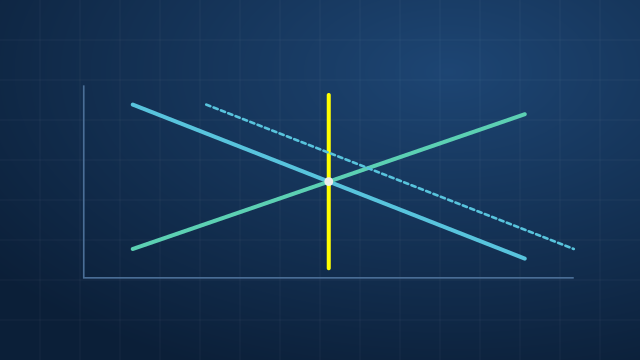
Consumer surplus = the most a buyer would pay − the price actually paid.
From first principles
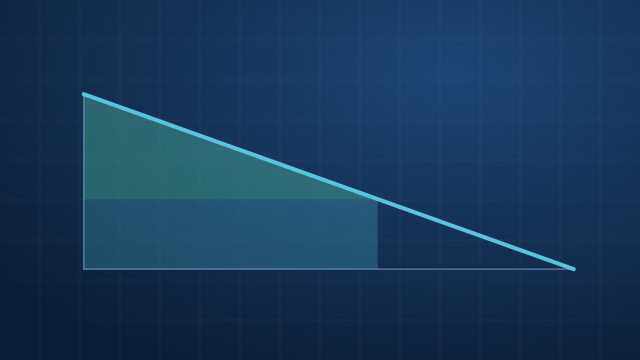
The demand curve lists how much each buyer values the good. At a single price, everyone who values it above that price buys, and each keeps the difference between their value and the price: consumer surplus, the triangle between the demand curve and the price line.
A seller would like some of that triangle. If it can separate buyers and stop resale, it can charge different prices for the same good:
- First degree (perfect): each buyer pays their maximum. All consumer surplus becomes revenue.
- Second degree: prices vary with the quantity or version bought (bulk discounts, economy versus business class), and buyers sort themselves.
- Third degree: different prices for identifiable groups (students, seniors, regions).
Worked example
Demand P = 100 − Q, single price 40: 60 units sold, consumer surplus = ½ × 60 × 60 = 1,800, revenue 2,400. With a student price of 30 for an extra 10 buyers who would not pay 40, revenue rises by 300 and output rises. Price discrimination can increase total output compared with a single monopoly price.
Exam traps
- Three conditions: market power, the ability to identify or sort buyers, and no resale.
- Price discrimination does not always reduce efficiency; it can move output towards the competitive level.
Questions people ask
What is consumer surplus?
The gap between the most a buyer would pay and the price actually paid, summed across all buyers. On a demand chart it is the triangle above the price line.
What are the three types of price discrimination?
Charging each buyer their maximum (first degree), offering different prices by quantity or version (second degree) and charging different groups different prices, such as student discounts (third degree).
What does a firm need to price discriminate?
Some pricing power, a way to tell buyer groups apart and a way to stop cheap buyers reselling to dear ones. Airlines, cinemas and software firms all meet these conditions.