The balance sheet is a photo; profit and cash flow are two films of what happened between one photo and the next.
From first principles
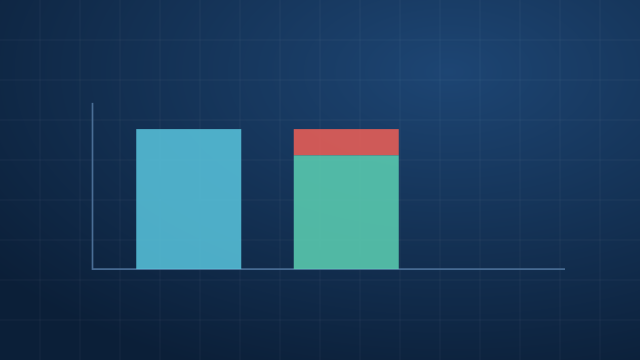
Start from one fact: assets = liabilities + equity. It must hold, because every asset was financed by someone, either a lender (a liability) or the owners (equity).
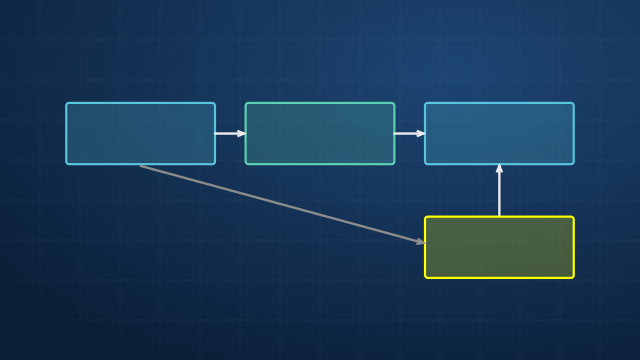
Equity grows in two ways: owners put money in, or the business earns a profit and keeps it. The income statement measures the profit over a period: revenue earned minus expenses incurred. Profit not paid out as dividends goes to retained earnings, which is part of equity. That is the link between the income statement and the balance sheet.
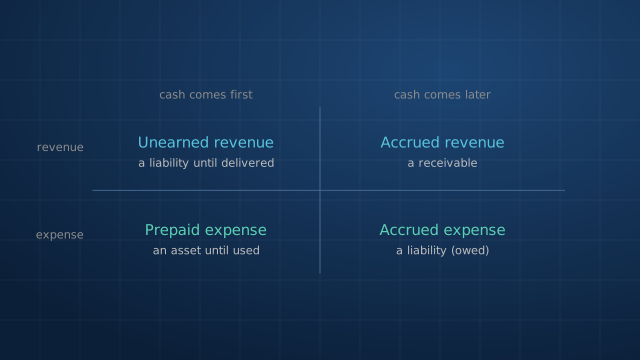
But profit is not cash. A sale on credit is revenue today and cash next month. So we need a third statement, the cash flow statement, to explain why the cash line on the balance sheet changed. It sorts cash movements into operating, investing and financing activities.
Worked example
A company sells goods for 100 on credit; they cost 60, paid in cash last month.
- Income statement: revenue 100, cost of sales 60, profit 40.
- Balance sheet: receivables +100, inventory −60, retained earnings +40. Both sides rise by 40.
- Cash flow statement: operating cash flow is 0 this period, even though profit is 40, because the customer has not paid yet.
Exam traps
- Net income and operating cash flow differ by non-cash items (depreciation) and by changes in working capital (receivables, inventory, payables).
- Dividends come out of retained earnings; they are a payout to owners, never a cost in the profit calculation.
- Other comprehensive income skips profit altogether and lands directly in equity (see comprehensive income).
Questions people ask
Which financial statement is the most important?
None on its own. Profit can be shaped by estimates, cash flow can be lumpy and the balance sheet is a snapshot. An analyst reads all three together, because a story that holds in one but not the others is a warning sign.
How does net income reach the balance sheet?
Profit for the year, less any dividends declared, is added to retained earnings, which is part of equity. That single link is why the balance sheet still balances after a year of trading.
Why can a profitable company run out of cash?
Profit counts sales when earned, not when paid. A fast-growing firm can book large profits while its cash is tied up in customer receivables and stock, so cash flow from operations is the check on profit quality.