Current account + capital account + financial account = 0 (apart from errors and omissions).
From first principles
The balance of payments records every transaction between people and firms at home and everyone abroad. Like a company's books, it uses double entry: every payment out must be matched by something coming in.
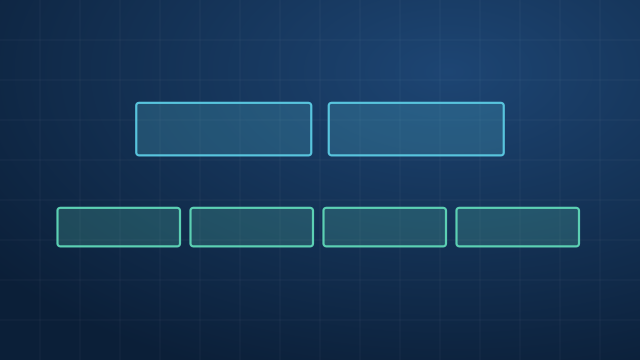
- Current account: trade in goods and services, income (interest, dividends, wages earned abroad) and current transfers (such as remittances).
- Capital account: capital transfers (such as debt forgiveness) and sales of things nobody manufactured and that are not financial claims (mining or broadcast rights, for example). Usually small.
- Financial account: purchases and sales of financial assets: foreign direct investment, portfolio investment (shares and bonds), other investment (loans, deposits) and the central bank's reserves.
So a current account deficit, buying more than you sell, must be financed by a financial account surplus: foreigners buying your assets or lending to you.
Worked example
A country imports goods worth 100 more than it exports. Foreign investors buy 70 of its government bonds and a foreign company builds a factory worth 30. Current account −100; financial account +100.
Exam traps
- A current account deficit is not necessarily bad. It can fund productive investment, as in a fast-growing economy. It is risky when it funds consumption, or depends on short-term flows that can reverse.
- The current account equals saving minus investment (see the S − I identity).
Questions people ask
What are the parts of the balance of payments?
The current account (trade in goods and services, income and transfers), the capital account (small items such as debt forgiveness) and the financial account (investment flows and reserves).
Why must the balance of payments balance?
Every transaction is recorded twice. A country that buys more from abroad than it sells must pay with money borrowed from or assets sold to foreigners, so a current account deficit matches a financial account surplus.
Is a current account deficit bad?
Not necessarily. Borrowing abroad to fund productive investment can be sensible. It becomes risky when it funds consumption or depends on short-term money that can leave quickly.