Capitalise if the benefit lasts beyond this year; expense if it does not.
From first principles
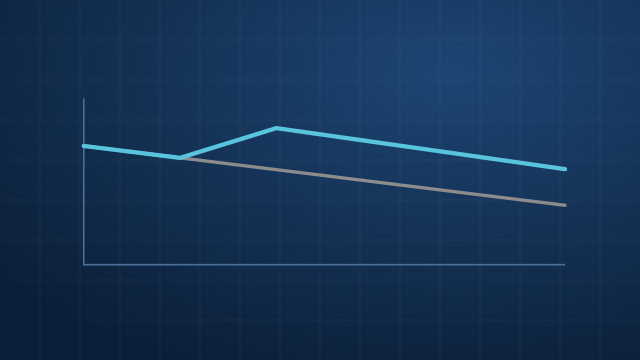
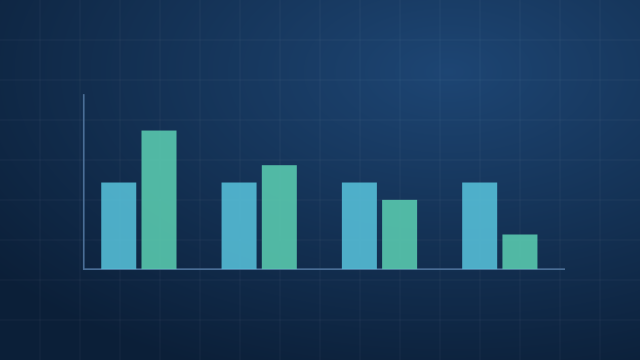
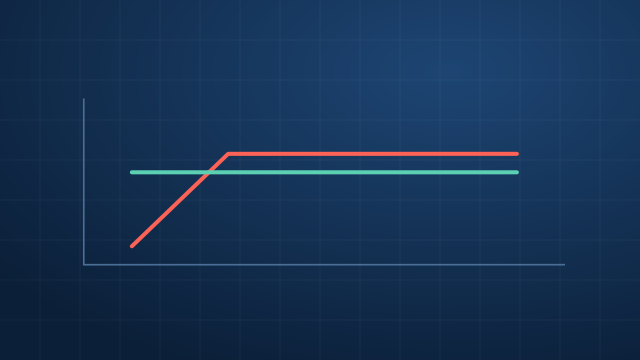
A cost that creates future benefits is an asset: it is capitalised on the balance sheet and expensed gradually through depreciation or amortisation. A cost that only benefits this period is expensed now. The total expense over time is the same; the timing differs, and so does the classification of cash.
| Capitalise | Expense | |
|---|---|---|
| Profit, early years | higher | lower |
| Profit, later years | lower (depreciation) | higher |
| Assets and equity | higher | lower |
| Cash flow from operations | higher (outflow in investing) | lower |
| Total cash | same | same |
Worked example
A firm spends 100 on a system with a 5-year life. Expensed: profit falls by 100 in year 1. Capitalised: profit falls by 20 a year for 5 years, and the 100 outflow appears in investing, not operating cash flow.
Specific rules worth knowing
- Borrowing costs on assets that take a long time to build are capitalised into the asset's cost.
- Research is always expensed. Development costs are capitalised under IFRS once strict criteria are met; under US GAAP they are generally expensed (software has its own rules).
- Repairs and maintenance are expensed; improvements that extend life or capacity are capitalised.
Exam traps
- Capitalising boosts CFO and can make a company look better on cash-based metrics.
- Interest coverage looks better when interest is capitalised, because less interest expense appears in the denominator.
Questions people ask
What decides whether a cost is capitalised?
Whether it will bring benefits over more than one year. If so, it becomes an asset and is spread over its life through depreciation or amortisation; if not, it is an expense now.
How does capitalising change the cash flow statement?
A capitalised cost is an investing outflow; an expensed cost reduces operating cash flow. Capitalising more therefore makes operating cash flow look stronger.
How are research and development treated?
Under IFRS, research is expensed and development can be capitalised once strict conditions are met. Under US GAAP both are generally expensed, with software as a notable exception.