A deferred tax asset is only worth something if there will be taxable profit to use it against.
From first principles
Deferred taxes are future tax effects, so the right rate is the one expected when the difference unwinds (using rates enacted, or under IFRS substantively enacted, at the balance sheet date).
When the rate changes, every DTA and DTL is remeasured, and the difference goes through income tax expense this period:
- A rate cut shrinks DTLs (good news, lower tax expense) and shrinks DTAs (bad news, higher tax expense).
Is the asset real? A DTA, for example from tax losses carried forward, only saves tax if there will be enough future taxable profit to use it.
- US GAAP: recognise the full DTA, then knock it down with a valuation allowance for any part that probably (a better-than-even chance) will never be used.
- IFRS: recognise a DTA only to the extent it is probable it will be used. There is no separate allowance account, but the effect is similar.
Worked example
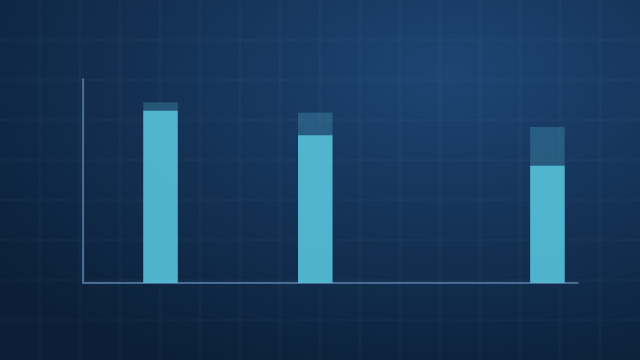
Tax losses of 1,000 at a 30% rate: DTA = 300. The rate is cut to 25%: DTA = 250, and 50 of extra tax expense. Management judges that half the losses are unlikely to be used: a valuation allowance of 125 brings the net DTA to 125.
Exam traps
- Changes in the valuation allowance flow straight to profit. Releasing an allowance boosts earnings without any operating improvement, so it is a classic earnings lever.
- An increasing allowance tells you management doubts future profitability.
Questions people ask
What happens to deferred taxes when the tax rate changes?
All deferred tax balances are remeasured at the new rate, and the adjustment flows through tax expense in that year. A rate cut shrinks both deferred tax assets and liabilities.
What is a valuation allowance?
A US GAAP reduction of deferred tax assets for the part that will probably never be used, usually because the company may not earn enough taxable profit. IFRS reaches the same result by recognising only the recoverable amount.
Why watch changes in the valuation allowance?
Because releasing it lowers tax expense and lifts profit without any change in the business. A sudden release can be a sign of earnings management, or of genuinely better prospects.