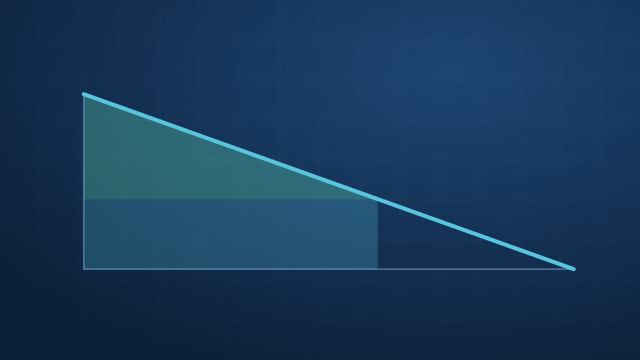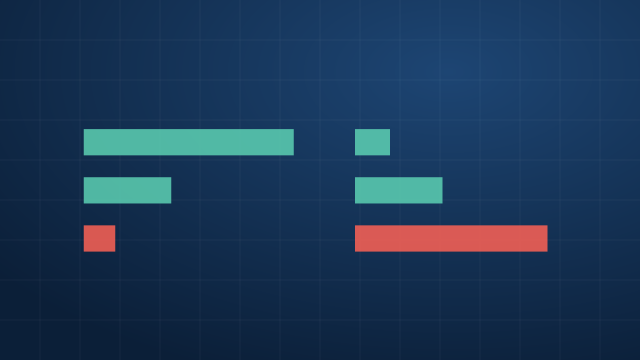
Lenders don't share the upside. They care about the size of the cushion before default.
From first principles
A shareholder benefits without limit when things go well; a lender at best gets the promised interest and principal back. So credit analysis focuses on the downside: how much can earnings or cash flow fall before payments are at risk?
Two families of ratio:
- Coverage: how many times earnings cover interest. EBIT / interest expense, or EBITDA / interest. Higher is safer.
- Leverage: how large the debt is relative to earnings, cash flow or capital. Debt / EBITDA, funds from operations / debt, debt / capital. Lower debt relative to earnings is safer.
Credit analysts often frame the qualitative side as the "four Cs": capacity (can it pay), collateral, covenants (the lender's protections) and character (management).
Worked example
EBIT 120, interest 10, debt 250, EBITDA 160. Coverage = 12×; debt / EBITDA = 1.6×. If EBIT halved, coverage would still be 6×. Comfortable.
Exam traps
- Use adjusted figures: capitalised operating leases, pension deficits and off-balance-sheet guarantees are debt-like.
- One-off gains inflate coverage. Use recurring earnings.
- Trend and peers matter more than any single ratio's level.
Questions people ask
Which ratios matter most in credit analysis?
Leverage (debt to EBITDA, debt to capital), coverage (EBITDA or EBIT to interest) and cash flow measures such as free cash flow to debt. Together they show how heavy the debt is and how easily it is serviced.
What are the four Cs of credit?
Capacity to repay, collateral, covenants that protect lenders, and character of management. Ratios mostly measure capacity; the other three need judgement.
How do analysts adjust debt for credit analysis?
By adding obligations that act like debt but sit outside it, such as lease liabilities under older rules, unfunded pension deficits and guarantees. Rating agencies make similar adjustments.