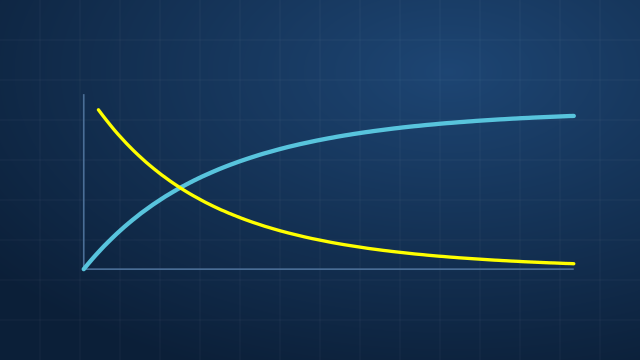
Income elasticity = %ΔQ / %Δincome. Cross-price elasticity = %ΔQ of good A / %Δprice of good B.
From first principles
Price is not the only thing that moves demand. Two other elasticities measure two other forces:
Income elasticity: what happens to demand when buyers' incomes rise?
- Positive: normal good. Above 1: a luxury (spending rises faster than income: travel, fine dining). Between 0 and 1: a necessity (food staples).
- Negative: inferior good. People buy less as they get richer (the cheapest brands, long-distance bus travel).
Cross-price elasticity: what happens to demand for A when B's price changes?
- Positive: substitutes. B gets dearer, buyers switch to A (tea and coffee).
- Negative: complements. B gets dearer, buyers use less of both (printers and ink).
Worked example
Incomes rise 4%. Demand for restaurant meals rises 6% (income elasticity 1.5, a luxury); demand for own-brand pasta falls 2% (−0.5, inferior). A cinema raises prices 10%; streaming subscriptions rise 3% (cross elasticity +0.3, substitutes).
Exam traps
- The sign carries the meaning: watch for negative values.
- "Normal" and "inferior" describe the reaction to income, not quality.
Questions people ask
What is the difference between a normal and an inferior good?
Demand for a normal good rises with income; demand for an inferior good falls as people can afford something better. Bus travel and own-brand groceries are common examples of inferior goods.
When is a good a luxury?
When its income elasticity is above one: spending on it grows faster than income. Foreign holidays and fine dining are typical. Necessities have income elasticity between zero and one.
How does cross-price elasticity identify substitutes?
If a rise in the price of one good raises demand for the other, the cross elasticity is positive and the goods are substitutes. A negative value means they are used together: complements.
Why do investors care about income elasticity?
It tells you how a company's sales will move through the business cycle. Firms selling luxuries suffer most in recessions; sellers of necessities or inferior goods hold up better.