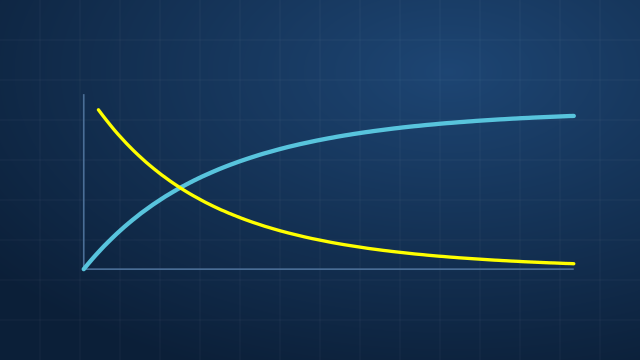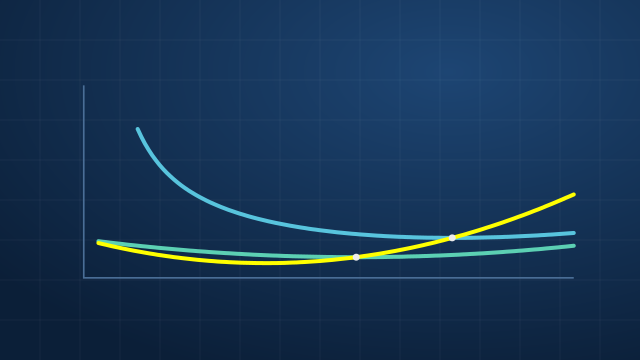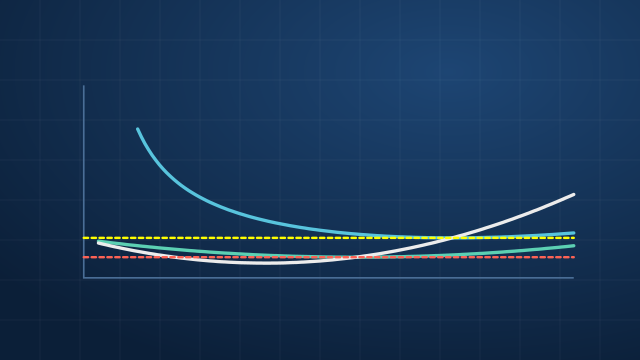
Substitution effect: buy more of what got relatively cheaper. Income effect: your money now goes further.
From first principles
A price cut does two different things to a shopper at once:
- Substitution effect. The good is now cheaper relative to other goods, so the buyer shifts towards it. This effect always points the same way: lower price, more demand.
- Income effect. The buyer's money now buys more overall: real income has risen. What they do with it depends on the good: - normal good: they buy more, which reinforces the substitution effect; - inferior good: they buy less, which works against it.
For almost all goods, the substitution effect wins and demand slopes down. In the theoretical case of an inferior good whose income effect outweighs the substitution effect, demand would rise with price.
Worked example
Bus fares fall 20%. Substitution: some people switch from driving to the bus. Income: commuters who already took the bus have money left over. If bus travel is inferior for them (they would rather drive once richer), some spend the saving on a car. Total effect: more bus travel, but less than the substitution effect alone implies.
Exam traps
- The substitution effect is always opposite to the price change.
- Inferior does not mean upward-sloping demand. It only weakens the downward slope, unless the income effect is larger.
Questions people ask
What is the substitution effect?
When a good becomes cheaper relative to others, buyers switch toward it, holding their real income fixed. This effect always pushes quantity demanded up when price falls.
What is the income effect?
A price cut leaves buyers better off in real terms. For a normal good they buy more; for an inferior good they may buy less, because they can now afford something better.
What is a Giffen good?
An inferior good whose income effect is so strong that it outweighs the substitution effect, so quantity demanded rises when price rises. It needs the good to be a large share of a poor household's budget, so it is very rare.
How is a Veblen good different?
Its appeal comes from being expensive, so a higher price can raise demand. Unlike a Giffen good, it is a luxury, and the reason is status rather than poverty.