If the books and the tax return will catch up with each other later, record the future tax effect now.
From first principles
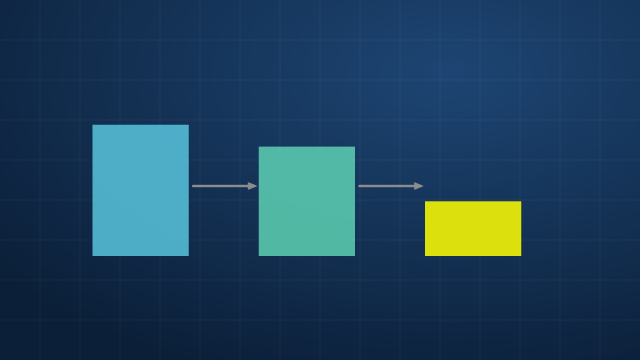
Accounting profit follows accounting standards; taxable profit follows tax law. When an item is recognised in a different period in each, a temporary difference arises, and it will reverse later. Recording only the tax actually payable would mismatch the tax expense with the profit that caused it. So the company records deferred tax.
Compare each asset's carrying amount in the accounts with its tax base (its value for tax purposes):
- Asset carrying amount > tax base → future taxable income → deferred tax liability (DTL). Example: faster depreciation for tax.
- Asset carrying amount < tax base → future deductions → deferred tax asset (DTA). Example: an expense recognised in the books before it is deductible.
- For liabilities, the logic flips: a liability with carrying amount > tax base creates a DTA (for example, a warranty provision not yet deductible).
Permanent differences, such as fines that are never deductible, never reverse, so they create no deferred tax. They make the effective tax rate differ from the statutory rate.
Worked example
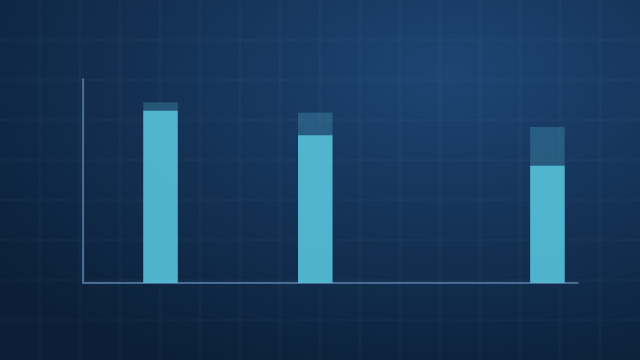
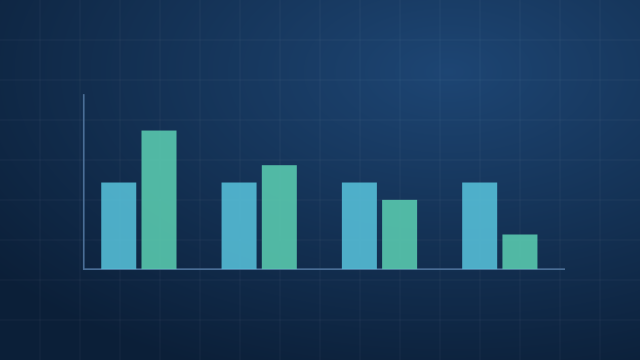
Machine cost 1,200, 4-year life. Books: 300 a year. Tax: 480, 360, 240, 120. Tax rate 25%. End of year 1: carrying amount 900, tax base 720, a difference of 180 → DTL = 45. By year 4 both are zero and the DTL has unwound.
Exam traps
- Income tax expense = taxes payable + change in DTL − change in DTA.
- A DTL that never reverses (because the company keeps growing its capital spending) is more like equity than debt. Analysts sometimes reclassify it.
- Under IFRS all deferred taxes are non-current.
Questions people ask
What creates a deferred tax liability?
Paying less tax now than the accounts suggest, with the difference to be paid later. The classic cause is faster depreciation on the tax return than in the accounts.
What creates a deferred tax asset?
Paying more tax now than the accounts suggest, or having losses that will reduce future tax. Warranty provisions and tax loss carryforwards are common examples.
Should analysts treat deferred tax liabilities as debt?
Only if they are expected to reverse. A liability that keeps growing because the company keeps investing may never be paid and can be treated more like equity.