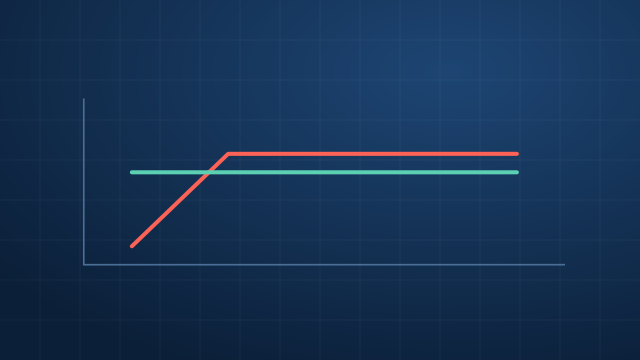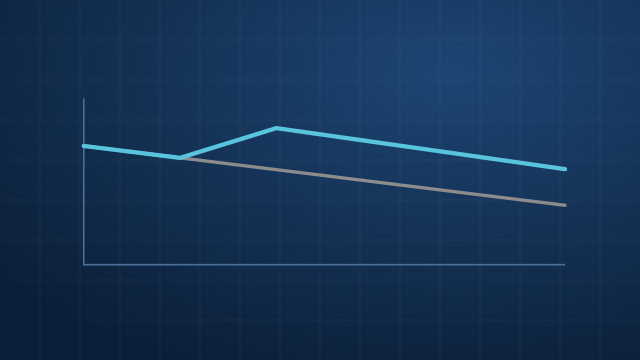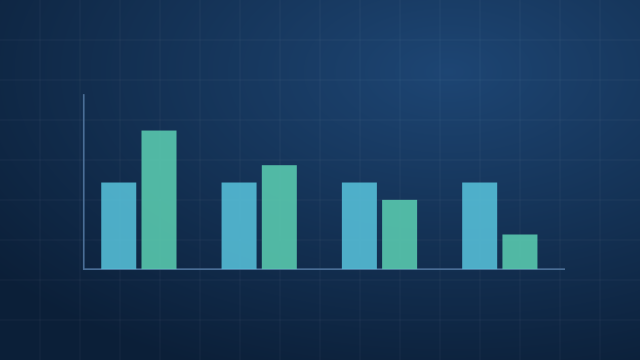
Inventory turnover = cost of sales / average inventory. Days of inventory on hand = 365 / turnover.
From first principles
Inventory is cash parked on shelves. The faster it sells, the less cash is tied up and the less risk of obsolescence. Turnover counts how many times inventory is replaced in a year; days of inventory on hand (DOH) expresses the same thing in days.
We use cost of sales, not revenue, in the numerator, because inventory is carried at cost: compare like with like.
DOH, plus days sales outstanding (receivables), minus days payables outstanding gives the cash conversion cycle: how long cash is out of the business before it returns.
Worked example
Cost of sales 7,300; inventory 900 at the start of the year and 1,100 at the end, so average 1,000. Turnover = 7.3; DOH = 365 / 7.3 = 50 days.
Exam traps
- High turnover is not always good. It can mean too little stock and lost sales. Compare with revenue growth and peers.
- Low turnover with slowing sales growth suggests obsolete inventory and a coming write-down.
- LIFO in a rising-price environment inflates turnover (big COGS, small inventory). Convert to FIFO before comparing with IFRS firms.
Questions people ask
What does inventory turnover tell you?
How many times a year the company sells through its average stock. Higher turnover means goods spend less time on the shelf, which ties up less cash.
Is a very high inventory turnover always good?
Not necessarily. It can mean the firm keeps too little stock and loses sales when demand jumps. Compare with peers and look at sales growth before judging.
How does inventory fit into the cash conversion cycle?
The cycle is days of inventory plus days of receivables minus days of payables. It measures how long cash is tied up from paying suppliers to collecting from customers.