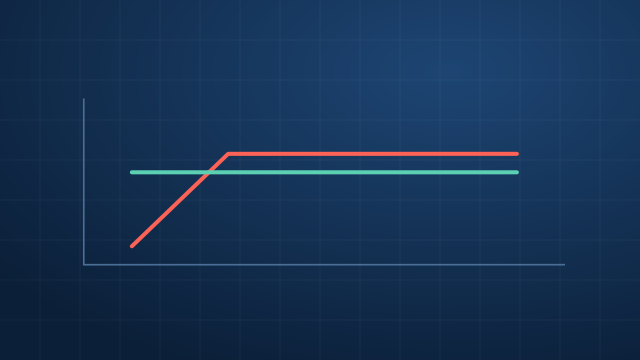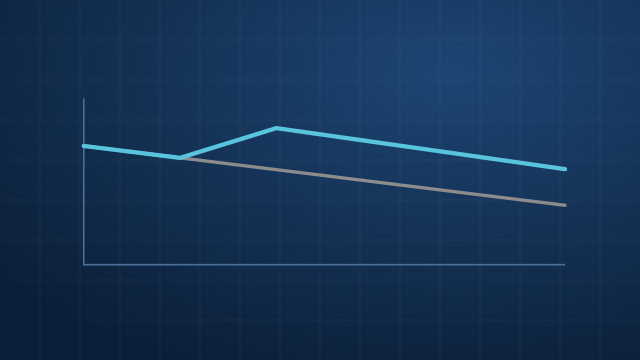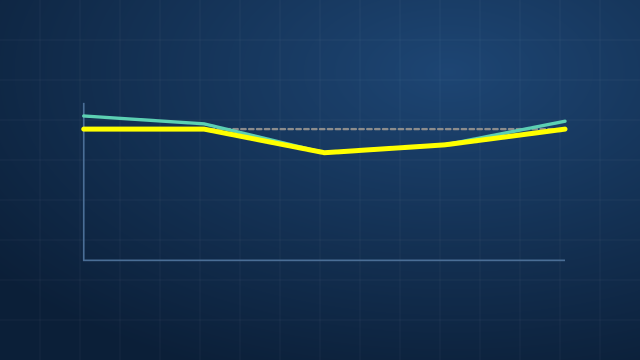
An asset cannot be shown at more than the benefit it will bring. For inventory, that benefit is what it will sell for.
From first principles
Inventory is carried at cost until sold. But if goods become obsolete or prices collapse, showing them at cost would overstate the balance sheet. So the rule is: book whichever is smaller, what the goods cost or what they will fetch (net realisable value, NRV), where NRV is the expected sale price less any costs still needed to finish and sell them.
- IFRS: lower of cost and NRV. If value recovers, the write-down is reversed, but never above original cost.
- US GAAP: lower of cost and NRV for FIFO and weighted average. LIFO and the retail method use lower of cost or market (market being replacement cost, within limits). No reversals are allowed.
Worked example
1,000 units cost 100 each. A new model arrives, and the old units can sell for 90 with 8 of selling costs: NRV = 82. Write-down = (100 − 82) × 1,000 = 18,000, an expense. Next quarter, NRV recovers to 88. Under IFRS, reverse 6,000 (carrying amount back to 88 per unit); under US GAAP, no reversal.
Exam traps
- Write-downs lower profit and inventory, raising inventory turnover in the period after.
- IFRS reversals are capped at the original write-down.
- Large recurring write-downs suggest poor inventory management or obsolete products.
Questions people ask
What is net realisable value?
The expected selling price minus any costs still needed to finish and sell the goods. It is what the inventory is really worth to the business today.
Can an inventory write-down be reversed?
Under IFRS, yes, up to the original cost, if the selling price recovers. Under US GAAP a write-down is permanent.
How does a write-down affect ratios?
Profit falls in the year of the write-down, and lower inventory raises turnover ratios later. Gross margin in the next period can look better than the underlying business.