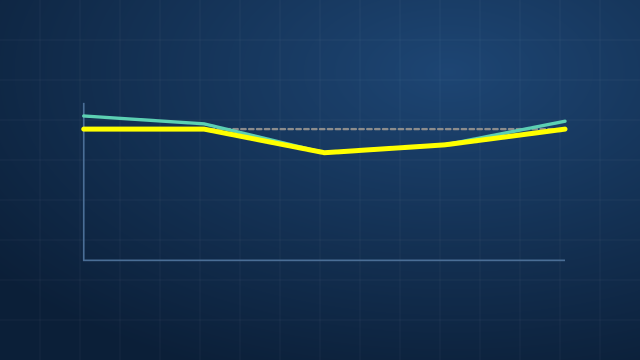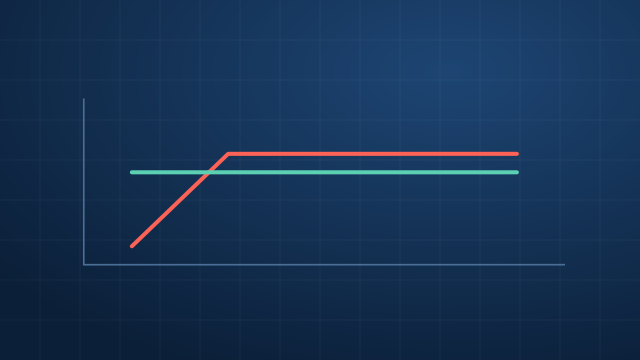
LIFO reserve = FIFO inventory − LIFO inventory. Its change tells you how much more LIFO put into cost of sales.
From first principles
Under LIFO, old costs pile up in inventory. With rising prices, inventory looks small next to its real value. US GAAP requires LIFO users to disclose the LIFO reserve: the gap between inventory at FIFO and at LIFO.
From that one number:
- Inventory: FIFO inventory = LIFO inventory + LIFO reserve.
- Cost of sales: FIFO COGS = LIFO COGS − (change in LIFO reserve). If the reserve grew, LIFO expensed more than FIFO would have.
- Equity: higher inventory means higher cumulative profit, less the tax that would have been paid: equity rises by LIFO reserve × (1 − tax rate), and a deferred tax liability by reserve × tax rate.
Worked example
LIFO inventory 600, LIFO reserve 400 (last year 320), LIFO COGS 5,000, tax rate 25%.
- FIFO inventory = 600 + 400 = 1,000.
- FIFO COGS = 5,000 − (400 − 320) = 4,920, so pre-tax profit is 80 higher.
- Equity adjustment = 400 × 0.75 = 300.
Exam traps
- A falling LIFO reserve can signal a LIFO liquidation: the firm sold more than it bought and dipped into old, cheap layers. That boosts profit one time only and raises taxes.
- The direction of the COGS adjustment confuses many candidates: an increase in the reserve means LIFO COGS was higher.
Questions people ask
How do you convert LIFO inventory to FIFO?
Add the LIFO reserve to LIFO inventory. Cost of sales under FIFO equals LIFO cost of sales minus the increase in the reserve during the year.
What is a LIFO liquidation?
When a LIFO company sells more than it buys, old cheap layers flow into cost of sales. Profit jumps for a year, but the gain is temporary and not a sign of better business.
Why adjust equity when converting?
The higher FIFO inventory would have meant higher past profits and therefore more tax. So the reserve is added to equity after tax, with the tax part going to a deferred tax liability.