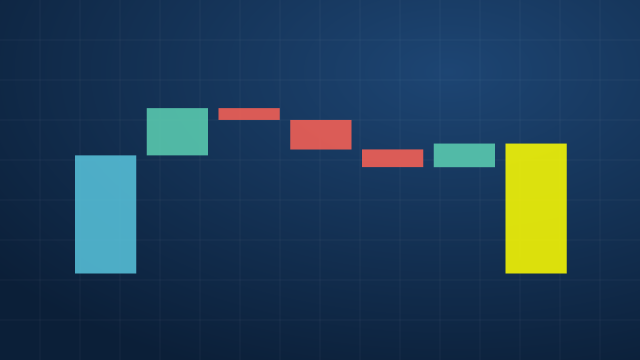
Operating: running the business. Investing: buying and selling long-term assets. Financing: dealing with lenders and owners.
From first principles
Cash from selling products and cash from borrowing are both cash, but they mean very different things for the business's health. The cash flow statement sorts them:
- Operating (CFO): receipts from customers, payments to suppliers and employees, taxes.
- Investing (CFI): buying or selling PP&E, intangibles, and investments in other companies' securities.
- Financing (CFF): issuing or repaying debt, issuing or buying back shares, paying dividends.
Interest and dividends are the grey zone. Interest paid is a cost of running the business but also a payment to lenders. The standards answer differently:
- US GAAP: interest paid, interest received and dividends received are operating; dividends paid are financing.
- IFRS: interest paid may be operating or financing; interest and dividends received may be operating or investing; dividends paid may be operating or financing. The choice must be applied consistently. Taxes are operating unless specifically tied to investing or financing.
Non-cash transactions, such as buying an asset by issuing shares, are not in the statement at all; they are disclosed in the notes.
Worked example
Two otherwise identical firms each pay 50 of interest. The US GAAP firm reports CFO 50 lower. The IFRS firm that classifies interest paid as financing reports CFO 50 higher than the US GAAP firm. Before comparing CFO, move interest to the same bucket.
Exam traps
- Classification choices change CFO, not total cash.
- Buying another company's shares is investing; buying back your own is financing.
Questions people ask
Where do interest and dividends go in the cash flow statement?
Under US GAAP, interest paid and received and dividends received are operating, and dividends paid are financing. IAS 7 has allowed a choice: interest paid as operating or financing, interest and dividends received as operating or investing, dividends paid as operating or financing. IFRS 18, effective from 2027, removes most of that choice for non-financial companies.
Why does classification matter if total cash is the same?
Because analysts value the operating figure most. Moving interest paid out of operating under IFRS makes operating cash flow look larger, which affects comparisons with US companies.
Which cash flows count as investing?
Buying and selling long-term assets and investments: equipment, property, businesses and securities not held for trading. Capital expenditure is the largest item for most firms.