Equity = assets − liabilities: what would be left for the owners.
From first principles
Owners' equity has only a few possible sources, and the balance sheet shows each:
- Contributed capital: what shareholders paid for their shares (share capital plus any premium).
- Retained earnings: cumulative profits not paid out as dividends.
- Accumulated other comprehensive income (reserves): the running total of OCI items.
- Treasury shares: shares the company bought back, shown as a deduction.
- Non-controlling interest: the part of subsidiaries owned by outsiders, shown within equity in consolidated accounts.
The statement of changes in equity reconciles the opening and closing balance of each component.
Worked example
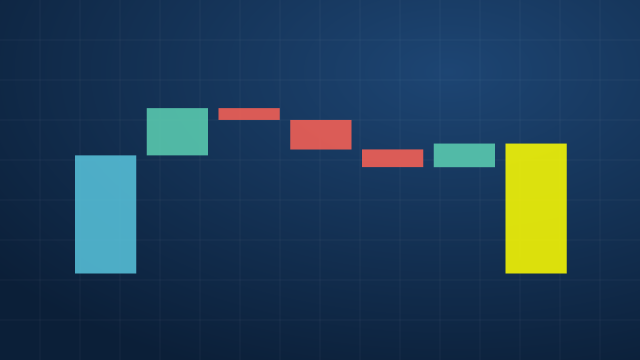
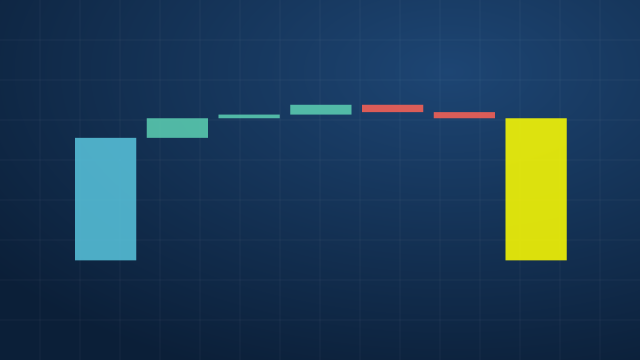
Opening equity 500. Net income 80, OCI 15, new shares issued 40, dividends 30, buybacks 25. Closing equity = 500 + 80 + 15 + 40 − 30 − 25 = 580.
Exam traps
- Buybacks reduce equity and the share count; they can raise earnings per share without any improvement in profit.
- Book value per share uses equity attributable to the parent's shareholders, excluding non-controlling interest and preferred equity.
- Negative equity is possible (after large buybacks or losses) and makes return on equity meaningless.
Questions people ask
What are the main parts of shareholders' equity?
Money put in by owners (share capital and share premium), profit kept in the business (retained earnings), accumulated other comprehensive income, minus any shares the company has bought back and holds. Non-controlling interest is shown within equity too.
How does a share buyback change equity?
Cash goes out and equity falls by the same amount. Bought-back shares held by the company are shown as a deduction from equity, not as an asset.
Can equity be negative?
Yes. Long losses or large buybacks funded by debt can push it below zero. That alone is not fatal, but it means ratios built on equity, such as return on equity or debt-to-equity, stop making sense.