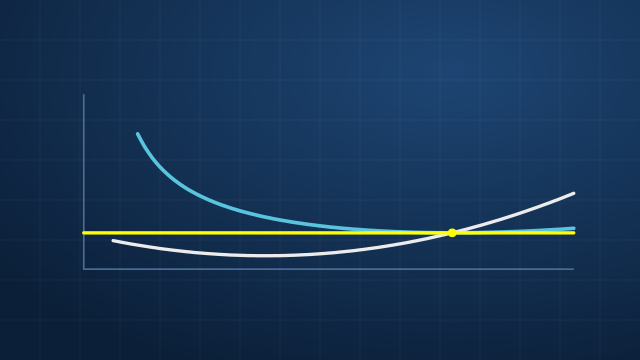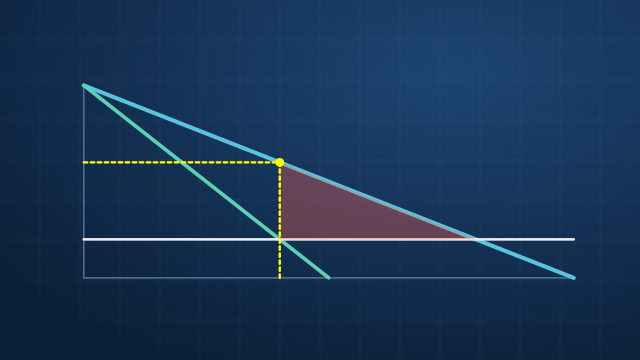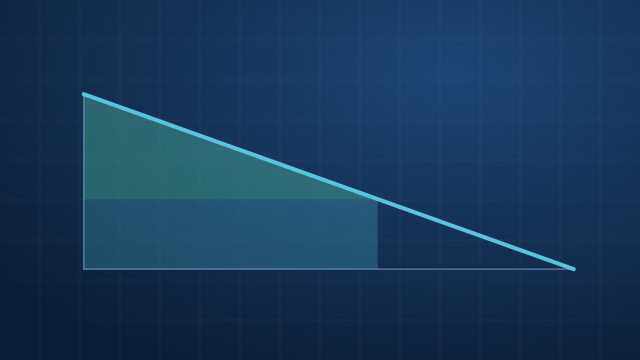
More sellers, more similar products and easier entry mean less pricing power.
From first principles
A firm's power to set its price depends on how easily its customers can go elsewhere. Four features decide that: the number of sellers, how different the products are, the barriers to entry, and so the pricing power.
| Perfect competition | Monopolistic competition | Oligopoly | Monopoly | |
|---|---|---|---|---|
| Sellers | many | many | few | one |
| Product | identical | differentiated | similar or differentiated | unique |
| Entry | free | low barriers | high barriers | very high barriers |
| Pricing power | none (price-taker) | some | significant, interdependent | considerable |
| Non-price competition | none | advertising, brands | yes | advertising, policy |
| Example | wheat | restaurants | aircraft makers | local water utility |
Worked example
A coffee shop raises its price 10%. In a city with dozens of similar cafés (monopolistic competition), it loses many customers but not all: its location and brand give it a little pricing power. A farmer selling wheat at 10% above the market price sells nothing (perfect competition).
Exam traps
- Oligopolists are interdependent: each must anticipate rivals' reactions. Outcomes range from collusion to price wars.
- Concentration measures such as the HHI (sum of squared market shares) help identify the structure, but they ignore barriers to entry and the threat of new competitors.
Questions people ask
What are the four market structures?
Perfect competition (many sellers of identical products), monopolistic competition (many sellers of slightly different products), oligopoly (a few large sellers) and monopoly (one seller). Pricing power rises along that list.
Why do barriers to entry matter for investors?
Because they protect profits. Without barriers, high returns attract new competitors until profits fall back to normal; with them, a firm can keep earning above its cost of capital.
How is an oligopoly different?
Each firm's best price depends on what its few rivals do. That interdependence can lead to price wars or to stable, quietly coordinated prices.